Since January 1, 2026, France has implemented several key measures aimed at balancing the “purchasing power” (pouvoir d’achat) of citizens against a cooling economy
💶 1. Wages and Pensions: The Automatic Boost
In France, the start of the year is characterized by automatic indexation based on inflation.
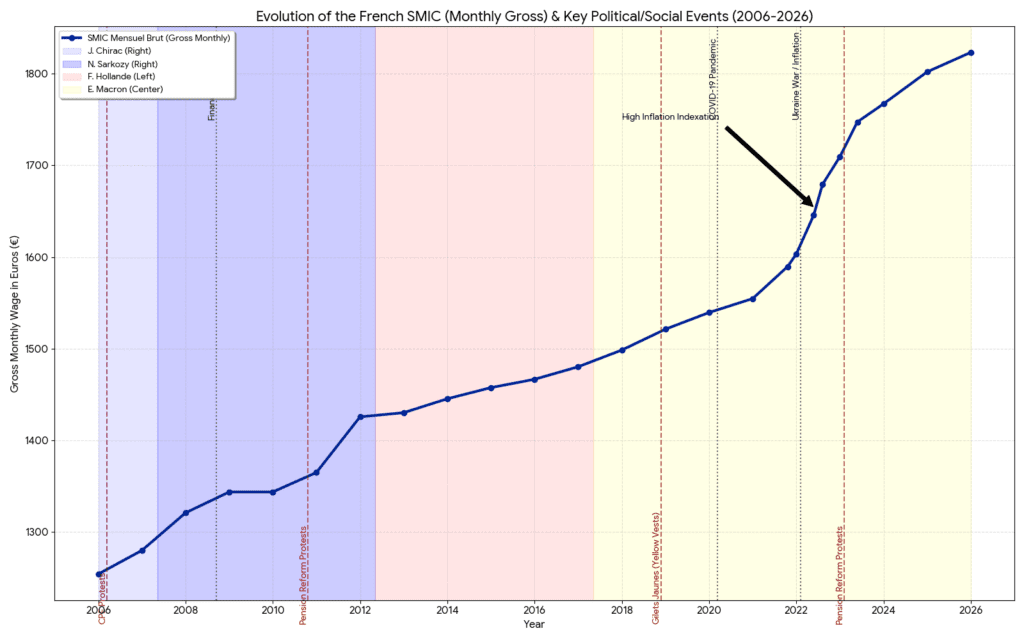
- SMIC (Minimum Wage): On January 1, the SMIC was revalued by 1.18%.
- New Gross Monthly: €1,823.03 (up from €1,801.80).
- New Net Monthly: Approximately €1,443.11 for a 35-hour week.
- Pensions: In a move to protect the elderly from the rising cost of services, basic state pensions (retraites de base) were increased by 0.9%. This was applied to the January payments received in early February.
- Internship Pay: For students, the minimum legal gratification for internships (longer than 2 months) rose to €4.50 per hour (from €4.35).
⚡ 2. Energy and Housing: A Turning Point
France has entered a new era for energy costs and housing regulations this year.
- Electricity “Relative Stability”: The regulated sales tariff (TRV) for EDF remains stable at roughly €0.1952/kWh (Base option). However, the “ARENH” mechanism (which gave competitors access to cheap nuclear power) expired on Jan 1, meaning your bill is now more tied to market volatility.
- DPE (Energy Performance) Reform: A major win for electric-heated homes. Starting January 1, the coefficient for electricity in the DPE was lowered (from 2.3 to 1.9). This means many apartments previously labeled “G” or “F” (energy sieves) may have jumped to “E” or “D”, allowing owners to continue renting them out without immediate renovations.
🛒 3. Daily Expenses and Taxes
- Postal Costs: La Poste increased prices by an average of 7.4%. A standard “Lettre Verte” now costs €1.52.
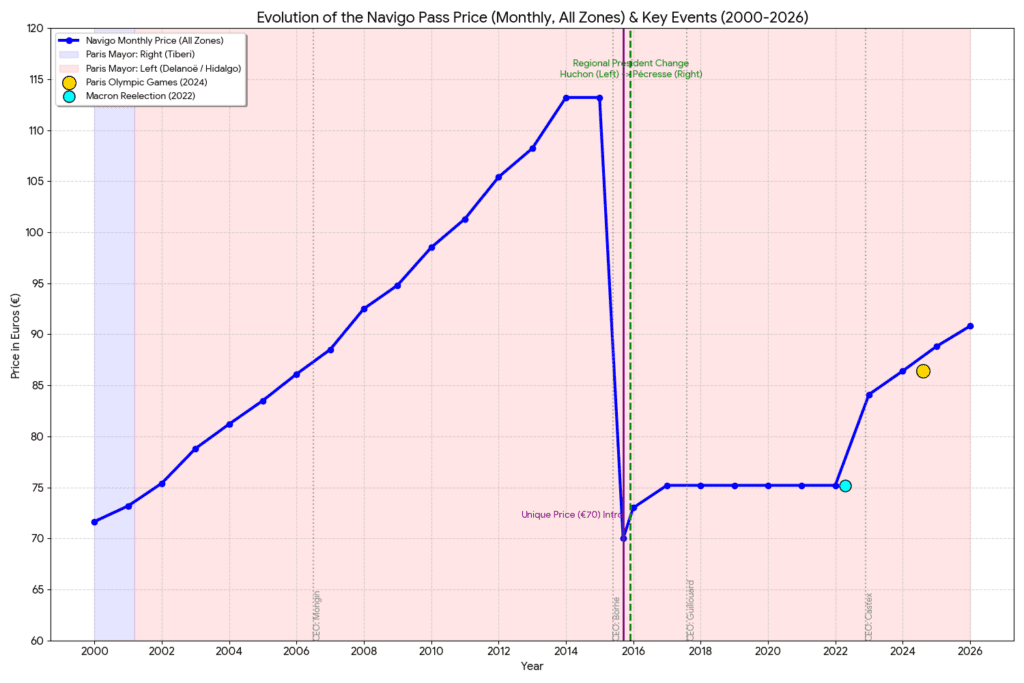
- Transport (Île-de-France): For those in the Paris region, the monthly Navigo pass rose to €90.80 (up from €88.80).
- Social Security Ceiling (PASS): The ceiling rose by 2% to €48,060 per year. While this sounds technical, it means higher-income earners will see slightly more deducted for social contributions, but it also increases the maximum daily allowance for sick pay or maternity leave.
🏛️ 4. The Political Context: “Loi de Finances”
France began 2026 in a unique legislative position.
Because the 2026 Budget (Loi de Finances) faced significant delays at the end of 2025, some tax credits (like the one for installing EV charging stations) were temporarily suspended on January 1. Most were reinstated once the budget was finalized, but it created a few weeks of uncertainty for homeowners planning green upgrades.